March 16, 2026
A JumpLights-based guide for maximizing canopy performance and avoiding preventable lighting issues.
Successful cannabis cultivation depends heavily on lighting quality, uniformity, and placement. Even small lighting mistakes can reduce yield, increase stretching, compromise flower quality, or waste energy. Below is a grower-friendly overview of common lighting pitfalls and how to correct them.
1. Using Inefficient or Aging Fixtures
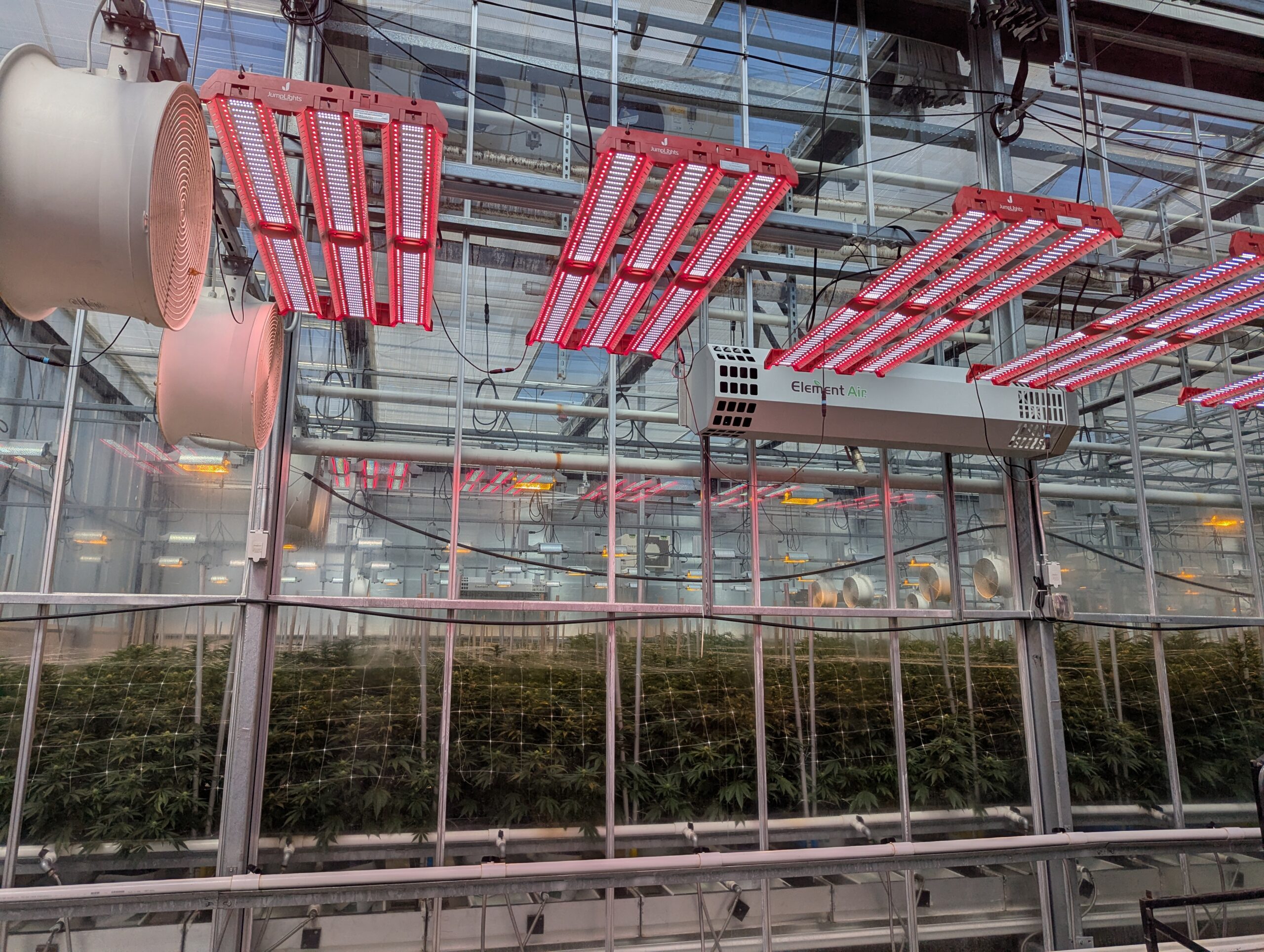
Many growers continue to rely on legacy HPS systems long after they’ve become limiting. HPS technology produces high heat, uneven light distribution, and significantly lower photon efficiency compared to modern LEDs.
Fix
Upgrade to high-efficiency LED systems engineered for cannabis, such as the ETS MAX Indoor or ETS MAX Greenhouse. Both deliver twice the light output of an HPS fixture at the same power according to official product specifications. This allows growers to reduce fixture count, lower heat load, and gain more usable PPFD per watt.
2. Uneven Canopy Lighting and Poor Penetration
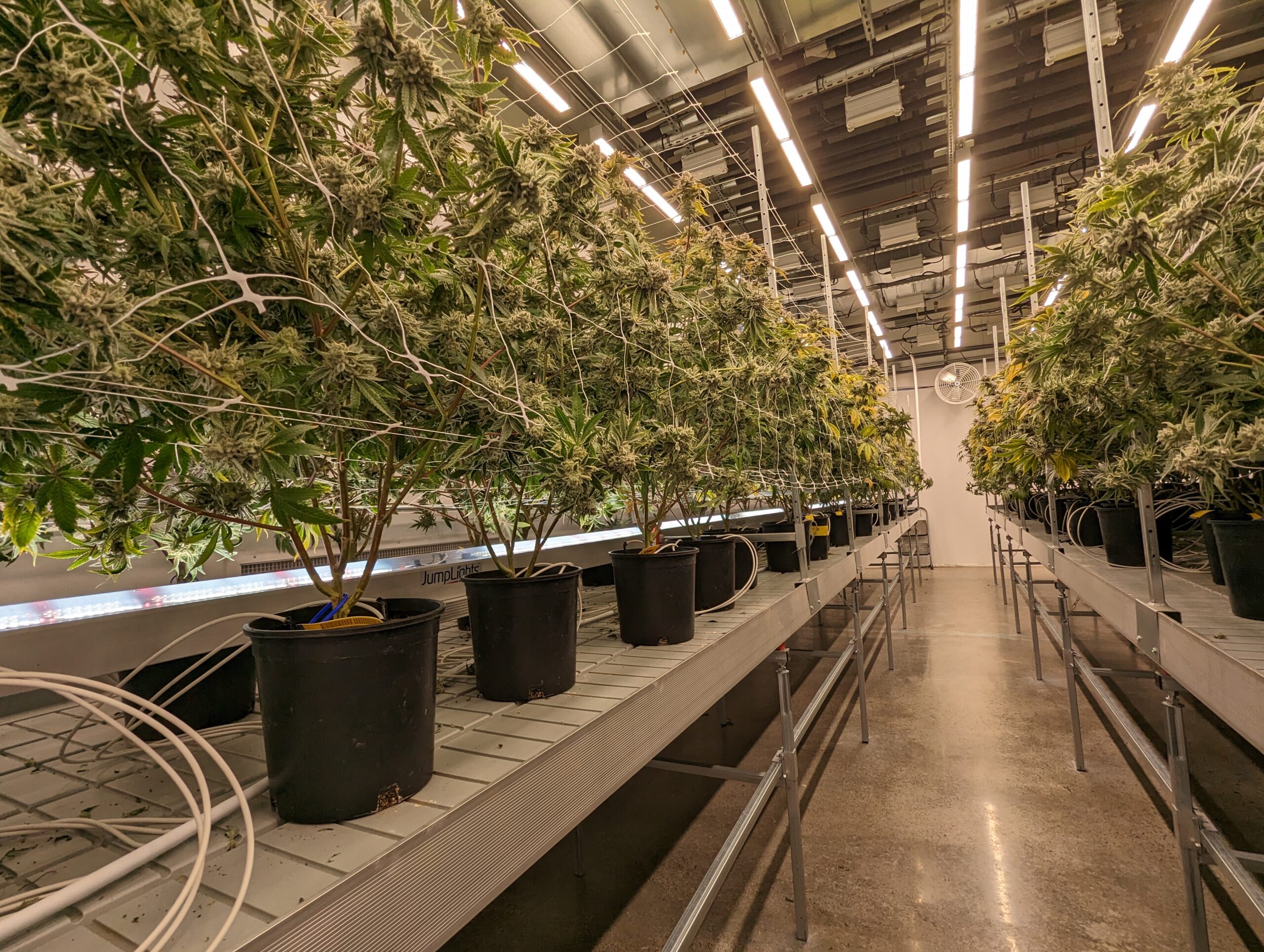
A common issue in dense flowering rooms is that upper foliage blocks most light from reaching the lower canopy. This weakens secondary bud sites and reduces overall production.
Fix
Integrate under canopy lighting to create uniform top-to-bottom illumination. The JumpLights Catalyst Mobile, Catalyst GH, and Catalyst Pro systems are specially engineered to push light deeper into the canopy and improve lower-tier flower development.
- Catalyst Pro can boost premium flower yield up to 40% by delivering targeted light beneath the canopy.
- Catalyst GH and Catalyst Mobile are purpose-built for greenhouse benches and mobile tables, ensuring safe operation even on 208–480V systems.
Correcting light imbalance enhances cannabinoid density, resin production, and total yield.
3. Incorrect Spectrum Selection
Using a spectrum not suited to your environment or growth stage can lead to stretching, poor coloration, or inefficient growth.
Fix
Choose a spectrum verified to match your crop goals and production environment.
- ETS MAX 5B (57% red) supports high-performance indoor cannabis growth with balanced spectral output.
- ETS MAX 7A (76% red) is optimized for high-light greenhouse cannabis environments.
- ETS MAX 4C (41% red) is optimized for high-performance indoor cannabis growth without the risk of photobleaching.
- ETS MAX 4A (48% red) is optimized for high-performance indoor cannabis growth
Using the correct spectrum helps maintain structure, coloration, and consistent growth across the canopy.
4. Improper Mounting, Clearances, or Installation Practices
Poor mounting height or improper installation can reduce light uniformity and create heat pockets that affect plant health.
Fix
Follow the verified installation documents for your specific lighting system.
- ETS MAX requires specific clearances including at least 4 inches of side clearance and 10 inches from any non-ETS MAX fixture or heat-generating device.
- Catalyst systems require at least 9 inches of clearance above the bar and must be mounted so input/output connectors align correctly in series configurations.
Proper installation safeguards fixture lifespan and ensures consistent PPFD across the grow.
5. Mixing Bar Types or Spectrum Codes Improperly
Some growers unintentionally combine LED bars with mismatched spectrum or bin codes on a single driver, which can damage equipment or cause uneven light output.
Fix
Use only matching spectrum and bin codes on the same LED driver.
The official ETS MAX Installation Guide states that mixing bar types or bin codes may cause failure or shorten bar life.
Matching components ensures consistent spectral performance and long-term reliability.
6. Overlooking the Power Infrastructure
High-voltage environments, especially in greenhouses, can pose safety and compatibility risks if fixtures are not designed for them.
Fix
Use lighting designed explicitly for your voltage range.
- Catalyst GH and Catalyst Mobile operate safely on 208–480 VAC while delivering low-voltage DC to fixtures near plant level.
Choosing the right fixture avoids electrical hazards and ensures stable operation.
7. Not Using Dimming or Photoperiod Control
Running lights at full intensity at all times wastes energy and can create unnecessary plant stress.
Fix
Utilize a lighting controller capable of managing intensity, spectrum, and photoperiod.
The SpectroTouch Controller can control up to 100 JumpLights fixtures with preset modes for seedling, veg, flower, and flush.
Better control improves plant health and reduces operating costs.
8. Leaving Lower Canopy Unlit in High-Density Rooms
As cannabis canopies become denser, more growers struggle with small lower buds and lost production.
Fix
Deploy under canopy systems such as the JumpLights Catalyst Pro to reclaim that lost yield. These systems are designed for:
- sliding mounts
- stands
- mobile bench integration
- directional lensing for optimized lightfall
Growers report 20–40% yield increases when adding structured lower canopy lighting.
Conclusion
Lighting mistakes can severely limit cannabis production, but each of these issues has a clear and proven fix using JumpLights fixtures. Whether improving efficiency, uniformity, spectrum control, or canopy penetration, JumpLights solutions give growers the tools they need to unlock higher yields and better flower quality.